Amoxicillin 500mg Capsule
Reviewed educational reference: what Amoxicillin is used for, how it works, its side effects and safety advice, plus the Indian brands that contain it.
 Reviewed by Sohan Lal Kushwaha
- Molecule
- Amoxicillin
- Strength
- 500mg
- Dosage form
- Capsule
- Drug class
- Penicillins
Related products
Amoxicillin 500mg Capsule is a moderate-spectrum, semi-synthetic penicillin antibiotic containing Amoxicillin. It is widely prescribed in India for a variety of bacterial infections due to its efficacy and generally favorable safety profile. Unlike basic penicillin, Amoxicillin is better absorbed from the gastrointestinal tract and is more resistant to degradation by gastric acid. It works by targeting the cell walls of susceptible bacteria, making it a cornerstone treatment for community-acquired infections of the respiratory and urinary tracts.
At a glance
Amoxicillin 500mg Capsule is a capsule containing 500mg of Amoxicillin.
It is a bactericidal antibiotic that inhibits bacterial cell wall synthesis.
It is primarily used to treat a wide range of bacterial infections of the respiratory and urinary tracts.
Uses of Amoxicillin
- Treatment of upper respiratory tract infections such as sinusitis and tonsillitis
- Management of lower respiratory tract infections including community-acquired pneumonia
- Treatment of urinary tract infections caused by susceptible Gram-positive and Gram-negative organisms
- Management of skin and soft tissue infections
- Treatment of acute otitis media in children and adults
- Eradication of Helicobacter pylori in combination with other drugs for peptic ulcer disease
Benefits of Amoxicillin
Broadened Spectrum: Compared to Penicillin G, Amoxicillin provides a wider range of activity against Gram-negative bacteria, which allows Amoxicillin 500mg Capsule to be used for a more diverse set of infections.
High Bioavailability: The drug is rapidly and well absorbed after oral administration, ensuring that therapeutic levels are reached quickly in the bloodstream and tissues without requiring intravenous access for most mild to moderate infections.
Side effects of Amoxicillin
Most patients tolerate Amoxicillin 500mg Capsule well, but some may experience gastrointestinal disturbances. Common side effects include nausea, vomiting, and diarrhea. A significant concern is the development of oral candidiasis or vaginal yeast infections due to the disruption of normal flora. Some patients may develop a skin rash; while this can be a mild reaction, it can also signal a severe allergic response. In rare cases, Amoxicillin can lead to Clostridioides difficile associated diarrhea, which presents as severe, watery, or bloody stools and requires immediate medical attention.
| Side effect | How common | How severe | What to do |
|---|---|---|---|
| Diarrhea | Common | Mild | Take with food. |
| Skin Rash | Uncommon | Moderate | Stop drug immediately. |
| Anaphylaxis | Rare | Life-threatening | Immediate emergency care. |
How to manage side effects
Diarrhea
- Increase fluid intake
- Use probiotics
- Consult doctor if persistent
Skin Rash
- Administer antihistamines
- Use topical steroids
- Evaluate for allergy
Anaphylaxis
- Administer epinephrine
- Maintain airway
- Provide oxygen
How to use Amoxicillin
- Take the capsule exactly as prescribed by your doctor, usually every 8 or 12 hours.
- You may take Amoxicillin 500mg Capsule with or without food, although taking it with a meal may reduce stomach upset.
- Swallow the capsule whole with a full glass of water; do not crush or chew it.
- Continue taking the medication for the full duration of the prescribed course, even if your symptoms disappear early.
Special population advice
Kidney impairment
- For GFR 10-30 mL/min, reduce dose to 250-500mg every 12 hours.
- For GFR less than 10 mL/min, reduce dose to 250-500mg every 24 hours.
Liver impairment
- No specific dose adjustment is usually required.
- Monitor for signs of hepatotoxicity in patients with pre-existing liver disease.
Children
- Dosing is typically 20 to 40 mg/kg/day divided into doses every 8 hours.
- Maximum dose should not exceed the adult dose of 500mg per administration.
Elderly
- Adjust dose based on renal function (Creatinine Clearance).
- Monitor for increased sensitivity to side effects.
How Amoxicillin works
Amoxicillin is a bactericidal agent. It works by binding to specific penicillin-binding proteins (PBPs) located inside the bacterial cell wall. This binding inhibits the final transpeptidation step of peptidoglycan synthesis. Without a stable cell wall, the bacteria cannot withstand osmotic pressure, leading to cell lysis and death.
What if you miss or exceed a dose?
If you miss a dose
If you miss a dose of Amoxicillin 500mg Capsule, take it as soon as you remember. However, if it is almost time for your next scheduled dose, skip the missed one and resume your regular schedule. Do not take two doses at once to make up for a missed one.
In case of overdose
Overdose of Amoxicillin can lead to an accumulation of the drug in the blood, potentially causing seizures or renal toxicity. Symptoms may include nausea, vomiting, and crystalluria. Treatment is primarily supportive and focuses on increasing urine output through hydration.
Treatment is supportive and symptomatic.
- Gastric Decontamination
- Activated charcoal may be administered if the overdose was recent and the patient is conscious.
- Fluid Therapy
- Intravenous fluids are used to maintain hydration and promote the renal excretion of the drug.
- Seizure Management
- Benzodiazepines may be used to control seizures resulting from very high serum levels of penicillins.
- Renal Monitoring
- Monitor urine output and serum creatinine to detect acute kidney injury.
Safety and precautions
When to avoid Amoxicillin
- Hypersensitivity to Penicillins
Risk of severe anaphylactic shock.
- Severe Penicillin Allergy
Absolute contraindication due to potential for life-threatening reactions.
- Renal Impairment
Requires dose adjustment based on creatinine clearance.
- Infectious Mononucleosis
High incidence of non-allergic maculopapular rash.
- Asthma
Increased risk of hypersensitivity reactions.
- Phenylketonuria
Some chewable forms contain aspartame, though capsules are generally safe.
Safety at a glance
Avoid excessive alcohol consumption as it may increase the risk of liver stress or gastrointestinal upset.
Generally considered safe for use during pregnancy; consult your doctor for a risk-benefit analysis.
Small amounts pass into breast milk; usually safe, but monitor the infant for diarrhea or rash.
This medication does not typically impair driving ability or mental alertness.
Dose reduction is necessary in patients with severe renal impairment to avoid toxicity.
No significant dose adjustments are typically required for patients with liver disease.
Do not take if you have a known hypersensitivity to penicillins or cephalosporins.
Safe for use in children; dosing should be based on weight and the severity of the infection.
Use with caution due to the higher likelihood of decreased renal function in older adults.
Interactions
With other medicines
Probenecid
ModerateChanges how the medicine is processed
What can happen: Increases amoxicillin blood levels by reducing renal secretion.
What to do: Adjust dose if necessary based on clinical response.
Allopurinol
ModerateChanges the medicine’s effect
What can happen: Increases the incidence of skin rash.
What to do: Monitor patient closely for the development of a rash.
Oral Contraceptives
MinorChanges how the medicine is processed
What can happen: May reduce the efficacy of hormonal contraceptives.
What to do: Advise the use of a backup barrier method of contraception.
With food and drink
- ProbioticsMinor
Space administration by 2 hours to prevent the antibiotic from killing the beneficial bacteria.
- AlcoholMinor
Alcohol may increase the risk of gastrointestinal upset and can potentially interfere with the immune response during an infection.
If you have another condition
- Chronic Kidney Disease
Reduced clearance of Amoxicillin requires a lower dose or longer dosing interval.
- Infectious Mononucleosis
Patients often develop a characteristic rash when given amoxicillin, which is not necessarily a true allergy.
Effect on laboratory tests
- Urine Glucose
False positive
Beta-lactam antibiotics can interfere with certain glucose oxidase tests in urine.
Quick tips
- Always finish the entire course of Amoxicillin 500mg Capsule to prevent the bacteria from developing resistance to the antibiotic.
- Report any sudden skin rash, swelling of the face, or difficulty breathing to your doctor immediately.
- Maintain hydration by drinking plenty of water to help your kidneys clear the medication from your system.
- If you are taking probiotics to prevent diarrhea, space them at least two hours apart from your dose of Amoxicillin.
Counselling points
- Course CompletionImportant
Finish all the capsules in the bottle even if you feel better, to prevent the infection from returning.
- Allergic ReactionImportant
Stop the medicine and call your doctor immediately if you notice a rash, itching, or swelling of the face.
- DiarrheaGood to know
If you develop severe, watery, or bloody diarrhea, contact your doctor immediately; do not use anti-diarrheal drugs.
- TimingGood to know
Try to take your doses at the same time every day to keep a steady level of medicine in your body.
Monitoring during treatment
Before starting
- Renal function (Serum Creatinine/eGFR)
- History of drug allergies
What is being watched
- Serum creatinine
- White blood cell count (for severe infections)
Pharmacokinetics
- Absorption
- Rapidly and well absorbed from the gastrointestinal tract.
- Bioavailability
- Approximately 70 to 90 percent.
- Protein binding
- About 17 to 20 percent.
- Volume of distribution
- 0.26 L/kg.
- Half-life
- 1 to 1.5 hours in patients with normal renal function.
- Metabolism
- Minimal hepatic metabolism; most is excreted unchanged.
- Excretion
- Primarily renal via glomerular filtration and tubular secretion.
- Onset / duration
- Onset of action occurs within 1 to 2 hours; duration is 6 to 12 hours.
Fact box
- Chemical class
- Beta-lactam
- Habit forming
- No
- Therapeutic class
- Antibiotic
- Action class
- Bactericidal
- Storage
- Store the capsules in a cool, dry place below 25 degrees Celsius, away from direct sunlight and moisture.
- ATC code
- J01CA04
- Pregnancy category
- B
More information
Why Clinicians Choose Amoxicillin First
In clinical practice, Amoxicillin is often the first-line choice for community-acquired infections because it strikes an ideal balance between spectrum of activity and safety. For a patient with suspected streptococcal pharyngitis or a mild case of pneumonia, Amoxicillin 500mg Capsule provides reliable coverage without the broader, more aggressive spectrum of third-generation cephalosporins. Clinicians prefer it because it is well-tolerated, inexpensive, and has a long track record of safety. Its ability to be administered orally with high absorption makes it far more convenient for outpatient care than injectable penicillins. Furthermore, its safety in pregnancy and children makes it a versatile tool in primary care settings.
Comparison with Amoxicillin-Clavulanate
A common question is why Amoxicillin 500mg Capsule is chosen over combinations like Amoxicillin-Clavulanate (Co-amoxiclav). The primary difference is the presence of clavulanic acid, a beta-lactamase inhibitor. Many bacteria produce enzymes called beta-lactamases that destroy the penicillin ring of Amoxicillin, rendering the drug ineffective. Clavulanic acid blocks these enzymes. However, clinicians avoid using the combination when the infection is likely caused by a strain that is not beta-lactamase producing. Using a broader spectrum drug when not needed increases the risk of side effects, particularly diarrhea, and contributes to the global problem of antibiotic resistance. Therefore, Amoxicillin 500mg Capsule is used for simple infections, while the combination is reserved for more complex or resistant cases.
Dietary Considerations and Gut Health
Because Amoxicillin is a broad-spectrum antibiotic, it does not distinguish between harmful bacteria and the beneficial bacteria in the gut. This often leads to a disruption of the microbiome, resulting in antibiotic-associated diarrhea or yeast infections. To mitigate this, patients are often advised to incorporate probiotics, such as yogurt or specific supplements containing Lactobacillus, into their diet. It is important to space these probiotics at least two hours away from the dose of Amoxicillin 500mg Capsule to ensure the antibiotic does not kill the probiotic bacteria. Maintaining a high intake of water is also recommended to support renal clearance and prevent the formation of crystals in the urine, although this is rare with amoxicillin.
What to Expect During Treatment
Patients starting a course of Amoxicillin 500mg Capsule typically begin to feel an improvement in symptoms within 48 to 72 hours. However, this initial improvement is often mistaken for a complete cure. It is critical to understand that the most susceptible bacteria die first, while the more resistant ones persist. If the treatment is stopped prematurely, these resistant bacteria can multiply, leading to a relapse that is much harder to treat and may require stronger, intravenous antibiotics. Patients should be monitored for the development of a rash, especially if they have a history of mononucleosis, as this is a known pharmacodynamic interaction that does not always indicate a permanent allergy to the drug.
References
- Electronic Medicines Compendium. Amoxicillin capsules, Summary of Product Characteristics.View sourceAccessed
- NAFDAC. Amoxicillin Capsules SmPC.View sourceAccessed
- DailyMed, US National Library of Medicine. Amoxicillin label.View sourceAccessed
- Bristol Laboratories. Amoxicillin 500mg Capsule SmPC.View sourceAccessed
- Tripathi KD. Essentials of Medical Pharmacology. 8th ed. Jaypee Brothers Medical Publishers, 2019. p. 706, 772, 773, 774, 813.Accessed
Frequently asked questions about Amoxicillin
Can I take Amoxicillin if I have a penicillin allergy?
No, you must not take Amoxicillin 500mg Capsule if you are allergic to penicillin, as it can cause a life-threatening reaction called anaphylaxis.
Should I stop taking the medicine once I feel better?
No, you must complete the full course. Stopping early allows surviving bacteria to multiply and develop resistance.
Can I take this medicine on an empty stomach?
Yes, Amoxicillin can be taken with or without food. However, taking it with food may help if you experience nausea.
What should I do if I develop a rash?
Stop taking the medication immediately and contact your healthcare provider to determine if it is an allergy.
Does Amoxicillin treat a viral cold or flu?
No, Amoxicillin 500mg Capsule only treats bacterial infections. It is not effective against viruses like the common cold or influenza.
Registered pharmacist and regulatory affairs professional with 7+ years of experience in healthcare and medical content writing. Dedicated to translating complex pharmaceutical regulations and clinical insights into clear, evidence-based knowledge
Registered pharmacist and regulatory affairs professional with 7+ years of experience in healthcare and medical content writing. Dedicated to translating complex pharmaceutical regulations and clinical insights into clear, evidence-based knowledge
Last reviewed on
Most bought this month
 1Crocin Advance 500 TabletGlaxoSmithKline Pharmaceuticals Ltd₹22.25
- 2Glycomet 500 TabletUSV Pvt Ltd₹18.80
- 3Mox 500 CapsuleSun Pharmaceutical Industries Ltd₹72.80
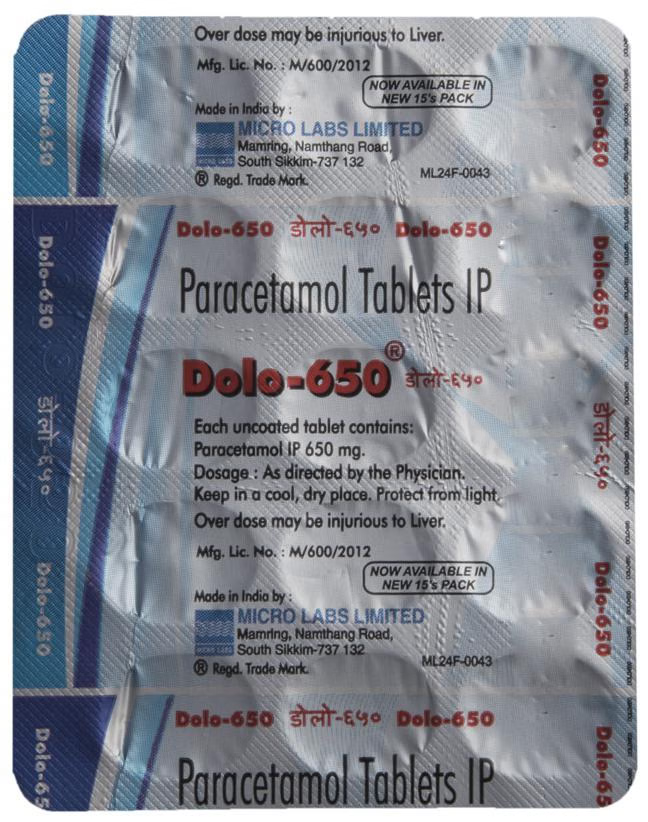 4Dolo 650 TabletMicro Labs Ltd₹33.90
- 5Cetzine TabletGlaxoSmithKline Pharmaceuticals Ltd₹25.70
Ranked by how often readers opened a partner link in the last 30 days.
All medicines →