Ibuprofen
Reviewed educational reference: what Ibuprofen is used for, how it works, its side effects and safety advice, plus the Indian brands that contain it.
- Molecule
- Ibuprofen
- Strength
- 400mg
- Dosage form
- Tablet
- Drug class
- Non-Steroidal Anti-Inflammatory Drug (NSAID)
Related products
No reviewed products are currently published for this generic.
Ibuprofen is a widely used non-steroidal anti-inflammatory drug (NSAID) that provides relief from pain, reduces inflammation, and lowers fever. It is commonly prescribed in India for a variety of acute and chronic conditions. Unlike simple analgesics like paracetamol, Ibuprofen possesses significant anti-inflammatory properties, making it more effective for conditions involving swelling or joint damage. Ibuprofen is typically used for short-term management of pain, though it may be used long-term for chronic inflammatory diseases under strict medical supervision. It works by blocking the production of prostaglandins, which are chemicals in the body that signal pain and cause inflammation.
At a glance
Ibuprofen is a non-selective COX inhibitor belonging to the propionic acid class of NSAIDs.
It reduces pain, inflammation, and fever by inhibiting prostaglandin synthesis.
It is used for acute pain, menstrual cramps, and chronic inflammatory joint diseases.
Uses of Ibuprofen
- Relief of mild to moderate pain such as headaches and toothaches.
- Reduction of high body temperature during fever.
- Management of primary dysmenorrhea (painful menstrual cramps).
- Treatment of joint pain and swelling in osteoarthritis.
- Control of inflammation and pain in rheumatoid arthritis.
- Reduction of pain and swelling following minor injuries, sprains, or muscle strains.
Benefits of Ibuprofen
Rapid Pain Relief: Ibuprofen is absorbed quickly by the body, providing fast relief from acute pain. This makes Ibuprofen a preferred choice for sudden onset pain like tension headaches or dental pain.
Dual Action: Unlike some painkillers, Ibuprofen treats both the pain and the underlying inflammation. This is particularly beneficial for patients with musculoskeletal injuries where swelling contributes to the discomfort.
Dose Flexibility: The 400mg strength allows for effective dosing that can be adjusted based on the severity of the condition, providing a balance between efficacy and safety for most adults.
Side effects of Ibuprofen
The most common side effects of Ibuprofen involve the gastrointestinal system. You may experience nausea, indigestion, or stomach pain. In some cases, Ibuprofen can cause gastric ulcers or bleeding, which may manifest as black, tarry stools or coffee-ground vomit. Other common effects include dizziness, mild headache, and fluid retention leading to swollen ankles. Some patients may develop a skin rash or itching. Rare but severe reactions include severe allergic responses such as swelling of the face or throat, and acute kidney injury, especially in those who are dehydrated or taking certain other medications. Long-term use can increase the risk of cardiovascular events, including heart attack or stroke.
| Side effect | How common | How severe | What to do |
|---|---|---|---|
| Gastric Ulceration | Common | Moderate | Take with food or milk. |
| Acute Kidney Injury | Rare | Severe | Maintain adequate hydration. |
| Peripheral Edema | Uncommon | Mild | Reduce salt intake. |
How to manage side effects
Gastric Ulceration
- Stop medication
- Start proton pump inhibitors
- Endoscopic evaluation
Acute Kidney Injury
- Immediate discontinuation
- IV fluid resuscitation
- Renal function monitoring
Peripheral Edema
- Dose reduction
- Leg elevation
- Diuretic therapy if severe
How to use Ibuprofen
- Take Ibuprofen exactly as prescribed by your doctor or as directed on the label.
- Always take the tablet with food, a glass of milk, or an antacid to protect your stomach lining.
- Swallow the tablet whole with a full glass of water; do not crush or chew it.
- Maintain a consistent dosing interval, usually every 6 to 8 hours, to keep pain levels stable.
- Use the lowest effective dose for the shortest possible time to minimize the risk of side effects.
Special population advice
Kidney Impairment
- Avoid use in severe renal failure (CrCl < 30 mL/min).
- Monitor serum creatinine and urine output closely.
Liver Impairment
- Use with caution in patients with hepatic insufficiency.
- Lower doses are recommended to avoid toxicity.
Children
- Dose is typically 5-10 mg/kg per dose.
- Maximum daily dose should not exceed 40 mg/kg.
Elderly
- Start with the lowest possible dose.
- Monitor for signs of GI bleeding and renal dysfunction.
How Ibuprofen works
Ibuprofen works by inhibiting the enzymes cyclooxygenase-1 (COX-1) and cyclooxygenase-2 (COX-2). These enzymes are responsible for converting arachidonic acid into prostaglandins. Prostaglandins are lipid compounds that mediate pain, fever, and inflammation in the body. By reducing the levels of these compounds, Ibuprofen effectively lowers the sensitivity of pain receptors and reduces the swelling in inflamed tissues.
What if you miss or exceed a dose?
If you miss a dose
If you miss a dose of Ibuprofen, take it as soon as you remember. However, if it is almost time for your next scheduled dose, skip the missed one and continue with your regular schedule. Do not take a double dose to make up for a forgotten tablet, as this increases the risk of stomach irritation and toxicity.
In case of overdose
An overdose of Ibuprofen can lead to severe gastrointestinal distress, including nausea, vomiting, and stomach pain. In serious cases, it may cause drowsiness, ringing in the ears (tinnitus), blurred vision, and metabolic acidosis. Severe overdose can lead to kidney failure or coma. If you suspect an overdose of Ibuprofen, seek emergency medical help immediately or contact a poison control center. Gastric lavage may be performed if the overdose is caught early.
Treatment is supportive and symptomatic.
- Gastric Decontamination
- Activated charcoal may be administered if the patient presents within 1-2 hours of ingestion.
- Fluid Management
- Intravenous fluids are used to maintain renal perfusion and treat dehydration.
- Acid-Base Balance
- Sodium bicarbonate may be used to treat severe metabolic acidosis.
- Monitoring
- Continuous monitoring of renal function and electrolytes is required.
Safety and precautions
When to avoid Ibuprofen
- Active Peptic Ulcer
Can cause severe gastrointestinal bleeding and perforation.
- Severe Renal Failure
May further impair kidney function and lead to acute failure.
- Aspirin-induced Asthma
Can trigger severe bronchospasm in sensitive individuals.
- Hypertension
May increase blood pressure or reduce the effect of BP medications.
- Heart Failure
Can cause fluid retention and worsen cardiac edema.
- Coagulation Disorders
Increases the risk of bleeding due to inhibition of platelet aggregation.
- Liver Cirrhosis
Increased risk of hepatic encephalopathy and bleeding.
Safety at a glance
Avoid alcohol as it increases the risk of gastric irritation and bleeding.
Avoid in the third trimester as it may cause premature closure of the ductus arteriosus.
Generally considered compatible, but consult a doctor for long-term use.
Use with caution if you feel dizzy or drowsy after taking the medication.
Use with extreme caution in renal impairment; dose reduction or avoidance is necessary.
Consult a doctor if you have liver disease, as NSAIDs can exacerbate hepatic issues.
Do not use if you have a known allergy to ibuprofen, aspirin, or other NSAIDs.
Use weight-based dosing and avoid in children with severe dehydration.
Higher risk of GI bleed and renal failure; use the lowest possible dose.
Interactions
With other medicines
Warfarin
MajorChanges the medicine’s effect
What can happen: Increased risk of spontaneous bleeding.
What to do: Avoid combination or monitor INR closely.
Lisinopril
ModerateChanges the medicine’s effect
What can happen: Reduced antihypertensive effect and increased renal risk.
What to do: Monitor blood pressure and renal function.
Lithium
MajorChanges how the medicine is processed
What can happen: Increased lithium plasma levels leading to toxicity.
What to do: Avoid use or monitor lithium levels frequently.
With food and drink
- AlcoholMajor
Significantly increases the risk of stomach lining erosion and bleeding.
- High Sodium DietModerate
May worsen fluid retention caused by Ibuprofen.
If you have another condition
- Chronic Kidney Disease
Reduces renal blood flow, which can accelerate the decline of kidney function.
- Asthma
May precipitate asthma attacks in patients with NSAID sensitivity.
- Peptic Ulcer Disease
Increases the likelihood of ulcer recurrence or perforation.
Quick tips
- Avoid taking Ibuprofen on an empty stomach to prevent gastric ulcers.
- Do not combine this medication with other NSAIDs like aspirin or diclofenac unless told by a doctor.
- Drink plenty of water while taking Ibuprofen to help your kidneys process the drug.
- Stop using the medication and see a doctor if you notice black stools or severe stomach pain.
- Avoid alcohol consumption while taking Ibuprofen, as it increases the risk of stomach bleeding.
Pharmacokinetics
- Absorption
- Rapidly and completely absorbed from the gastrointestinal tract.
- Bioavailability
- Approximately 80% to 100%.
- Protein binding
- Highly protein bound, approximately 99%.
- Volume of distribution
- Low, primarily distributed to extracellular fluid.
- Half-life
- Approximately 2 hours.
- Metabolism
- Extensively metabolized in the liver via CYP2C9.
- Excretion
- Primarily excreted by the kidneys as metabolites.
- Onset / duration
- Onset of action is 30-60 minutes; duration is 4-6 hours.
Fact box
- Chemical class
- Propionic acid derivative
- Habit forming
- No
- Therapeutic class
- Analgesic, Antipyretic, Anti-inflammatory
- Action class
- Cyclooxygenase (COX) Inhibitor
- Storage
- Store Ibuprofen in a cool, dry place, away from direct sunlight and moisture. Keep the tablets in their original blister pack and store them out of reach of children.
- ATC code
- M01AE05
- Pregnancy category
- C
More information
Clinical Rationale for Selection
Clinicians often choose Ibuprofen over other analgesics when there is a clear inflammatory component to the pain. While paracetamol is the first line for simple fever or mild pain, it lacks the ability to reduce swelling. In cases of musculoskeletal injuries or rheumatoid arthritis, Ibuprofen provides superior relief by targeting the COX enzymes. Compared to naproxen, Ibuprofen has a shorter half-life, which allows for more precise dosing and faster clearance from the body. This makes it more suitable for acute episodes of pain where long-term systemic exposure is not desired. The 400mg dose is often seen as the 'sweet spot' for adults, providing significant analgesia without the higher risk of toxicity associated with 600mg or 800mg doses.
Comparison with Alternative NSAIDs
When compared to diclofenac, Ibuprofen is generally considered to have a slightly lower risk of cardiovascular events, although it may be slightly less potent for severe joint inflammation. Diclofenac is often preferred for acute gout or severe osteoarthritis, but Ibuprofen is safer for short-term general use. In contrast, COX-2 selective inhibitors like celecoxib are designed to be gentler on the stomach. However, these selective inhibitors are more expensive and may carry a higher risk of thrombotic events in certain populations. Ibuprofen remains a gold standard due to its cost-effectiveness, wide availability in Indian pharmacies, and well-documented safety profile when used correctly. It is the preferred choice for dysmenorrhea due to its effective inhibition of uterine prostaglandins.
Lifestyle and Dietary Considerations
Patients taking Ibuprofen should be advised to modify certain habits to ensure safety. The most critical advice is the total avoidance of alcohol. Alcohol increases the permeability of the gastric mucosa, which, combined with the COX-1 inhibition of Ibuprofen, significantly raises the risk of peptic ulcers and gastrointestinal hemorrhage. Patients should also be encouraged to maintain high fluid intake. NSAIDs can reduce the blood flow to the kidneys, and dehydration can exacerbate this effect, potentially leading to acute kidney injury. A diet rich in potassium and low in processed salts may help manage the mild fluid retention sometimes seen with this drug. Avoiding other over-the-counter painkillers, especially aspirin, is essential to prevent 'NSAID stacking' which leads to toxicity.
Course of Treatment Expectations
For acute pain, patients can expect relief within an hour, and the effect typically lasts for 4 to 6 hours. It is important to explain the 'ceiling effect' of Ibuprofen; increasing the dose beyond a certain point does not provide more pain relief but does increase the risk of side effects. For chronic conditions like rheumatoid arthritis, the drug is used to manage symptoms rather than cure the disease. Patients should be warned that while the pain may disappear, the underlying inflammation might still be present, and they should not overexert their joints just because they feel no pain. A typical course for acute pain lasts 3 to 5 days. If symptoms persist beyond a week, a reassessment by a physician is mandatory to rule out more serious underlying causes.
References
- K.D. Tripathi, Essentials of Medical Pharmacology, 8th Edition.Accessed
- Goodman & Gilman's The Pharmacological Basis of Therapeutics, 13th Edition.Accessed
- British National Formulary (BNF), Current Edition.Accessed
Frequently asked questions about Ibuprofen
Can I take Ibuprofen on an empty stomach?
It is not recommended. Taking Ibuprofen with food or milk helps protect the stomach lining from irritation and reduces the risk of ulcers.
Is Ibuprofen better than Paracetamol for joint pain?
Yes, for joint pain involving inflammation, Ibuprofen is generally more effective because it reduces swelling, whereas paracetamol only reduces pain and fever.
How long does it take for Ibuprofen 400mg to work?
Most people feel the effects of Ibuprofen within 30 to 60 minutes after taking the tablet.
Can I take this medication every day?
Short-term use is usually safe. However, long-term daily use increases the risk of kidney damage and stomach ulcers. Consult a doctor for chronic pain.
Does Ibuprofen cause addiction?
No, Ibuprofen is not habit-forming and does not cause physical or psychological dependence.
Most bought this month
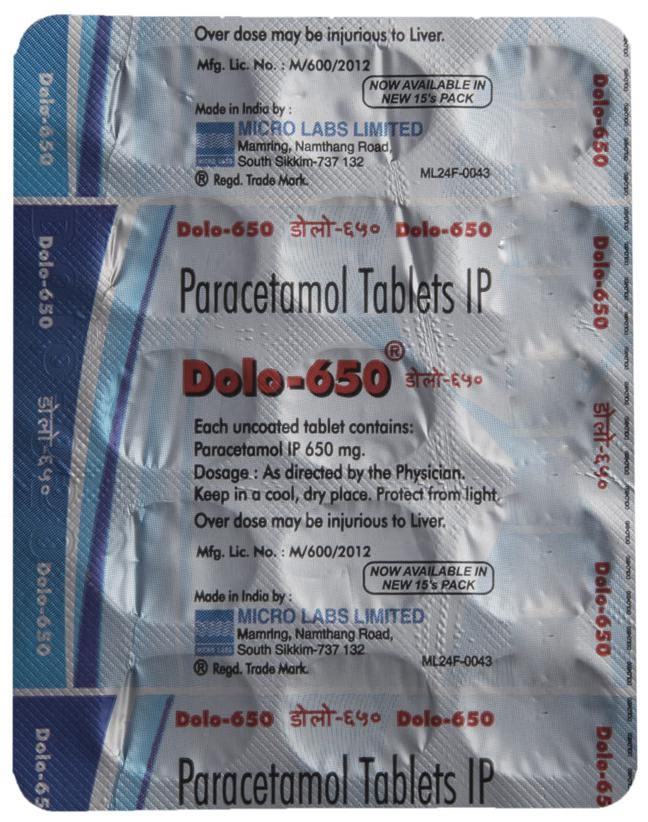 1Dolo 650 TabletMicro Labs Ltd₹33.90
 2Mox 500 CapsuleSun Pharmaceutical Industries Ltd₹72.80
- 3Crocin Advance 500 TabletGlaxoSmithKline Pharmaceuticals Ltd₹22.25
- 4Glycomet 500 TabletUSV Pvt Ltd₹18.80
- 5Cetzine TabletGlaxoSmithKline Pharmaceuticals Ltd₹25.70
Ranked by how often readers opened a partner link in the last 30 days.
All medicines →