Metformin 500mg Tablet
Reviewed educational reference: what Metformin is used for, how it works, its side effects and safety advice, plus the Indian brands that contain it.
 Reviewed by Sohan Lal Kushwaha
- Molecule
- Metformin
- Strength
- 500mg
- Dosage form
- Tablet
- Drug class
- Biguanide
Related products
Metformin 500mg Tablet is a prescription medication containing Metformin, which belongs to the biguanide class of antihyperglycemic agents. It is widely used as the first line of treatment for adults and children with type 2 diabetes mellitus. Unlike some other diabetes drugs, Metformin does not cause the body to produce more insulin, but instead helps the body use the insulin it already makes more effectively. It is often prescribed when diet and exercise alone are not enough to control blood glucose levels.
At a glance
Metformin 500mg Tablet is a biguanide antihyperglycemic agent containing Metformin.
It lowers blood glucose by reducing liver glucose production and increasing insulin sensitivity.
It is primarily used as the first line therapy for type 2 diabetes mellitus.
Uses of Metformin
- Management of type 2 diabetes mellitus
- Reduction of hepatic glucose production
- Treatment of polycystic ovary syndrome (PCOS)
- Prevention of diabetes in high risk prediabetic patients
- Control of blood sugar in insulin resistant states
- Weight management in patients with metabolic syndrome
Benefits of Metformin
Improved Glycemic Control. Metformin 500mg Tablet helps lower blood sugar levels by reducing the amount of glucose produced by the liver and improving the sensitivity of muscle cells to insulin. This leads to a significant reduction in HbA1c levels over time.
Weight Neutrality and Cardiovascular Health. Many diabetes medications cause weight gain, but Metformin is generally weight neutral or may even lead to modest weight loss. It also shows a protective effect on the heart and blood vessels in many patients with type 2 diabetes.
Side effects of Metformin
The most common side effects of Metformin 500mg Tablet are gastrointestinal in nature, including nausea, vomiting, diarrhea, abdominal pain, and a metallic taste in the mouth. These symptoms are often dose-dependent and tend to occur during the initiation of therapy. To minimize these effects, it is recommended to take the medication with meals and start with a low dose that is gradually titrated upward. In rare instances, patients may experience vitamin B12 deficiency with long-term use, which may require periodic monitoring and supplementation. A serious but very rare side effect is lactic acidosis, a medical emergency characterized by muscle pain, difficulty breathing, and extreme fatigue.
| Side effect | How common | How severe | What to do |
|---|---|---|---|
| Gastrointestinal distress | Very common | Mild | Take with meals. |
| Vitamin B12 deficiency | Common | Moderate | Monitor levels annually. |
| Lactic acidosis | Very rare | Life-threatening | Seek emergency care. |
How to manage side effects
Gastrointestinal distress
- Start with a low dose.
- Gradually increase the dose.
- Take with food.
Vitamin B12 deficiency
- Check B12 levels.
- Supplement if necessary.
Lactic acidosis
- Stop medication immediately.
- Seek emergency medical help.
- Supportive care in hospital.
How to use Metformin
- Take Metformin 500mg Tablet with a meal or immediately after eating to reduce stomach upset.
- Swallow the tablet whole with a glass of water. Do not crush or chew the tablet.
- Start with a low dose as directed by your doctor and gradually increase it to reach the target blood sugar level.
- Take the medication at the same time every day to maintain a steady level in your blood.
Special population advice
Kidney impairment
- Avoid if eGFR is below 30 mL/min/1.73m2
- Reduce dose if eGFR is between 30 and 45 mL/min/1.73m2
Liver impairment
- Use with extreme caution in patients with hepatic impairment
- Monitor closely for signs of lactic acidosis
Children
- Approved for use in children aged 10 years and older
- Dosing should be individualized based on clinical response
Elderly
- Start with the lowest possible dose
- Monitor renal function every 3 to 6 months
How Metformin works
Metformin works primarily by decreasing glucose production in the liver (gluconeogenesis) and decreasing intestinal absorption of glucose. It also improves insulin sensitivity by increasing peripheral glucose uptake and utilization in muscle tissues, thereby lowering both fasting and postprandial blood glucose levels.
What if you miss or exceed a dose?
If you miss a dose
If you miss a dose of Metformin 500mg Tablet, take it as soon as you remember. However, if it is almost time for your next scheduled dose, skip the missed one and continue with your regular schedule. Do not take two doses at once to make up for a missed one, as this increases the risk of side effects.
In case of overdose
Taking too much Metformin can lead to a rare but serious condition called lactic acidosis. Symptoms include extreme tiredness, muscle pain, difficulty breathing, and stomach pain. If you suspect an overdose of Metformin 500mg Tablet, seek emergency medical help immediately. Treatment usually involves supportive care and may require hemodialysis to remove the drug from the blood.
Hemodialysis is the most effective method to remove Metformin from the system.
- Lactic Acidosis Monitoring
- Monitor for low blood pH, high lactate levels, and respiratory distress.
- Hemodialysis
- Initiate dialysis to remove the drug and correct the metabolic acidosis.
- Fluid Management
- Careful administration of IV fluids to maintain blood pressure and perfusion.
- Bicarbonate Therapy
- Sodium bicarbonate may be used to correct severe metabolic acidosis.
Safety and precautions
When to avoid Metformin
- Severe renal impairment
High risk of lactic acidosis.
- Diabetic ketoacidosis
Requires immediate insulin therapy.
- Mild to moderate renal impairment
Requires dose reduction.
- Hepatic impairment
Monitor liver function.
- Surgery
May need temporary discontinuation.
- Dehydration
Increases risk of lactic acidosis.
Safety at a glance
Avoid excessive alcohol consumption as it increases the risk of lactic acidosis.
Consult your doctor; insulin is often preferred during pregnancy.
Generally considered safe, but monitor the infant for hypoglycemia.
Does not typically impair driving ability.
Dose adjustment is required; contraindicated in severe renal impairment.
Use with caution in patients with hepatic impairment.
No specific contraindications for general allergies.
Approved for children over 10 years of age.
Monitor kidney function closely in elderly patients.
Interactions
With other medicines
Iodinated contrast agents
MajorChanges how the medicine is processed
What can happen: Increased risk of lactic acidosis.
What to do: Discontinue metformin before or at the time of the procedure.
Cimetidine
ModerateChanges how the medicine is processed
What can happen: Increased plasma concentration of metformin.
What to do: Monitor for increased side effects.
Furosemide
MinorChanges the medicine’s effect
What can happen: Increased metformin concentration.
What to do: Monitor blood glucose levels.
With food and drink
- AlcoholMajor
Increases risk of lactic acidosis and hypoglycemia.
- High-fiber mealsMinor
May slightly delay absorption of the medication.
If you have another condition
- Renal failure
Contraindicated due to risk of accumulation and lactic acidosis.
- Congestive heart failure
Use with caution due to potential for tissue hypoxia.
Effect on laboratory tests
- Vitamin B12 levels
Decreased levels
Monitor B12 levels annually during long-term therapy.
- Serum Creatinine
Increased levels
Used to assess renal function for safe dosing.
Quick tips
- Monitor your Vitamin B12 levels regularly, as long term use of Metformin can lead to a deficiency.
- Avoid excessive alcohol consumption while taking Metformin 500mg Tablet, as it increases the risk of lactic acidosis.
- Stay well hydrated by drinking plenty of water throughout the day.
- Inform your doctor if you need an X ray or CT scan involving contrast dye, as Metformin 500mg Tablet may need to be paused temporarily.
Counselling points
- Gastrointestinal Side EffectsImportant
Take Metformin 500mg Tablet with food to reduce the risk of nausea and diarrhea.
- Alcohol ConsumptionImportant
Avoid heavy drinking while taking Metformin to prevent the risk of lactic acidosis.
- Vitamin B12 DeficiencyGood to know
Ask your doctor about B12 supplements if you experience tingling in your hands or feet.
- Medical ImagingGood to know
Stop taking Metformin 500mg Tablet before any imaging test that uses iodinated contrast dye.
Monitoring during treatment
Before starting
- Serum creatinine
- eGFR
- Vitamin B12 levels
- HbA1c
During treatment
- every 6 months: Check HbA1c and renal function.
- annually: Check Vitamin B12 levels.
What is being watched
- Blood glucose
- HbA1c
- eGFR
- Vitamin B12
Pharmacokinetics
- Absorption
- Slowly and incompletely absorbed from the gastrointestinal tract.
- Bioavailability
- 50-60% under fasting conditions.
- Protein binding
- Negligible.
- Volume of distribution
- 654 +/- 358 L.
- Half-life
- Approximately 6.2 hours in plasma.
- Metabolism
- Not metabolized in the liver.
- Excretion
- Excreted unchanged in the urine.
- Onset / duration
- Onset within hours; duration up to 12-24 hours.
Fact box
- Chemical class
- Biguanide
- Habit forming
- No
- Therapeutic class
- Antidiabetic agent
- Action class
- Insulin sensitizer
- Storage
- Store Metformin 500mg Tablet at room temperature in a dry place. Keep the tablets in their original container and away from direct sunlight.
- ATC code
- A10BA02
- Pregnancy category
- B
More information
Why Metformin is the First-Line Choice
Metformin is widely regarded as the gold standard for initiating therapy in type 2 diabetes mellitus. Unlike other classes of antidiabetic medications, it does not cause weight gain and has a very low risk of inducing hypoglycemia when used as monotherapy. Its mechanism of action, which focuses on reducing hepatic glucose output and improving insulin sensitivity, addresses the core pathophysiological defects of type 2 diabetes. Furthermore, its long-term safety profile and potential cardiovascular benefits have solidified its position in clinical guidelines globally. For most patients, it provides a reliable and cost-effective way to manage blood glucose levels while minimizing the risk of severe side effects associated with other oral agents.
Comparison with Other Antidiabetic Agents
When compared to sulfonylureas, metformin offers a distinct advantage by not stimulating insulin release, thereby avoiding the risk of weight gain and hypoglycemia. While DPP-4 inhibitors and SGLT2 inhibitors are effective alternatives, they are often significantly more expensive and may carry different side-effect profiles, such as increased risk of urinary tract infections with SGLT2 inhibitors. Metformin remains the preferred starting point due to its extensive clinical history, proven efficacy in reducing long-term diabetic complications, and affordability. It is often used in combination with these newer agents if metformin monotherapy fails to achieve glycemic targets, demonstrating its versatility in complex treatment regimens.
Lifestyle and Diet Considerations
Taking metformin is only one part of diabetes management. A balanced diet rich in fiber, lean proteins, and complex carbohydrates is essential to complement the medication's effects. Regular physical activity, such as brisk walking for 30 minutes daily, significantly enhances the insulin-sensitizing effects of metformin. Patients should be mindful of alcohol intake, as it can interfere with blood sugar regulation and increase the risk of lactic acidosis. Maintaining hydration is also crucial, especially during illness or intense exercise, to support kidney function and ensure the safe clearance of the medication from the body. Consistent lifestyle habits are the foundation upon which the success of metformin therapy is built.
Common Misconceptions
A common misconception is that metformin is a 'cure' for diabetes or that it can be stopped once blood sugar levels return to normal. In reality, diabetes is a chronic condition, and metformin helps manage glucose levels rather than eliminating the underlying metabolic disorder. Another myth is that metformin is harmful to the kidneys; while it must be used with caution in patients with pre-existing renal impairment, it does not cause kidney damage in healthy individuals. Patients should also not be alarmed by the initial gastrointestinal side effects, as these are usually transient and can be managed by starting with a low dose and taking the medication with food. Always consult a healthcare professional before making changes to your treatment plan.
References
- Katzung BG. Basic & Clinical Pharmacology. 15th ed. McGraw-Hill Education.Accessed
- Brunton LL. Goodman & Gilman's: The Pharmacological Basis of Therapeutics. 13th ed. McGraw-Hill Education.Accessed
- National Institute for Health and Care Excellence. Type 2 diabetes in adults: management.View sourceAccessed
- American Diabetes Association. Standards of Medical Care in Diabetes.View sourceAccessed
- World Health Organization. Model List of Essential Medicines.View sourceAccessed
Frequently asked questions about Metformin
Does Metformin 500mg Tablet cause weight gain?
No, Metformin is generally weight neutral and often helps with modest weight loss.
Can Metformin 500mg Tablet cause low blood sugar (hypoglycemia)?
It rarely causes hypoglycemia when used alone, but the risk increases if used with insulin or sulfonylureas.
Is it safe to drink alcohol while taking this medicine?
You should limit alcohol intake because it increases the risk of a serious condition called lactic acidosis.
Can I take Metformin 500mg Tablet during pregnancy?
You must consult your doctor. Insulin is usually the preferred treatment for diabetes during pregnancy.
When is the best time to take this tablet?
Take it with your meals to minimize stomach side effects like nausea or bloating.
Registered pharmacist and regulatory affairs professional with 7+ years of experience in healthcare and medical content writing. Dedicated to translating complex pharmaceutical regulations and clinical insights into clear, evidence-based knowledge
Registered pharmacist and regulatory affairs professional with 7+ years of experience in healthcare and medical content writing. Dedicated to translating complex pharmaceutical regulations and clinical insights into clear, evidence-based knowledge
Last reviewed on
Most bought this month
 1Crocin Advance 500 TabletGlaxoSmithKline Pharmaceuticals Ltd₹22.25
- 2Glycomet 500 TabletUSV Pvt Ltd₹18.80
- 3Mox 500 CapsuleSun Pharmaceutical Industries Ltd₹72.80
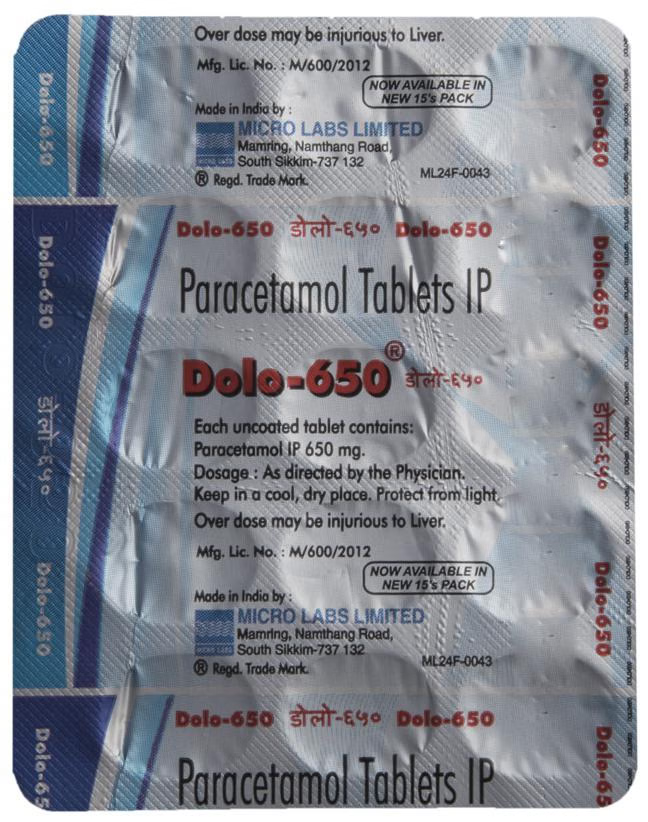 4Dolo 650 TabletMicro Labs Ltd₹33.90
- 5Cetzine TabletGlaxoSmithKline Pharmaceuticals Ltd₹25.70
Ranked by how often readers opened a partner link in the last 30 days.
All medicines →